
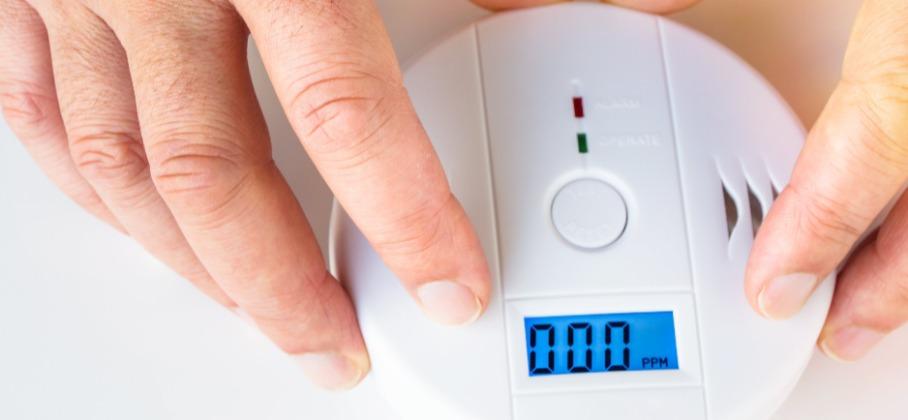
The Ontario Fire Code says that all homes must have working carbon monoxide alarms. Carbon monoxide (CO) alarms sound an early warning if CO is present in your home. As of January 1, 2026, new carbon monoxide (CO) alarm laws have come into effect for existing homes including detached and semi-detached houses, townhomes, and cottages.
Did you know? Over 65% of all carbon monoxide deaths and injuries in Ontario occur in homes
Carbon monoxide can be very dangerous and is considered the silent killer because it is odourless, colourless, and tasteless and is very difficult to detect. Make sure your household is safe from carbon monoxide poisoning.
Safety warning for non-compliant carbon monoxide alarms: When purchasing smoke or CO alarms, always look for the ULC certification mark and ensure the device meets the requirements of the Ontario Fire Code. Uncertified alarms may not meet Canadian performance standards and may fail to operate properly when needed most. Always remember to: buy from reputable retailers, look for the ULC certification mark and be cautious of unfamiliar online sellers. For more details review the Health Canada Regulations
Carbon monoxide (CO) is an invisible, tasteless, and odourless gas.
CO comes from fuels such as propane, gasoline, natural gas, heating oil or wood when they do not burn completely in furnaces, gas or wood fireplaces, hot water heaters, stoves, barbeques, portable fuel-burning heaters, generators and vehicles.
Did you know? Most Ontario homes have on average 4 to 6 fuel-burning appliances that produce carbon monoxide?
Flu-like symptoms such as headaches, nausea, dizziness, as well as confusion, drowsiness, loss of consciousness and death.
You must have carbon monoxide alarms if:
Existing homes (Detached and Semi-Detached Houses, Townhomes and Cottages)
- You have a fireplace
- You have a fuel-burning appliance (like a furnace, water heater, or stove)
- You have heated air that comes from a fuel-burning appliance not located inside your home
- An attached garage
Multi-Units (Apartment, Condo, Multi-Unit House, Boarding/Lodging/Rooming House) and Care Occupancy (Convalescent Homes, Residential Care Facilities, some Group Homes)
- With a fuel-burning appliance
- Located above, below or beside a garage
- Located above, below, or beside a service room with a fuel burning appliance
- Heated by air from a fuel burning appliance not contained within the suite
In condo and apartment buildings that have a service room, CO alarms must be installed in the service room and next to each sleeping area of all units above, below and beside the service room.
In condo or apartment buildings that have a garage, CO alarms must be installed next to each sleeping area of all units above, below and beside the garage.
Follow Manufacturer Instructions: Always read and follow the specific instructions provided by the alarm's manufacturer for the best performance and safety.
Height: Carbon monoxide mixes evenly with air. So, whether you mount the alarm on the wall or ceiling, it will still be effective at detecting the gas.
General Placement Guidelines
- Every Level: You need at least one CO alarm on each floor of your home.
- Near Sleeping Areas: Place an alarm in the hallway immediately outside of every bedroom or sleeping area to ensure it can wake you and other residents.
- Attached Garages: Install an alarm near the area where a garage connects to the house.
Where to Avoid Placement
- Too Close to Fuel-Burning Appliances: Do not install alarms directly above or next to a furnace, water heater, or other appliance that produces carbon monoxide.
- Humid Areas: Avoid placing alarms in bathrooms or other areas with high humidity.
- Direct Sunlight: Alarms should not be placed in direct sunlight.
- Vents or Fans: Keep alarms away from vents, fans, or other areas with high air circulation, as this can affect their accuracy.
If you or other occupants have symptoms of CO poisoning, get everyone out of the home immediately. Call 9-1-1 or your local emergency services number from outside the building. Leave all doors and windows closed
If no one has symptoms of CO poisoning, check to see if the battery needs replacing, or the alarm has reached its "end-of-life" before calling 9-1-1.
Test CO alarms monthly by pressing the test button and listening for the alarm. Regularly test your alarms and replace them according to the manufacturer's recommendations.
Know the sound of the CO Alarm. Your CO alarm sounds different than your smoke alarm. Make sure everyone in your home knows the difference between the two alarm sounds.
Most CO alarms need to be replaced after 7 to 10 years of use. Check the CO alarm for an expiry date or the manufacturer's instructions.
If the CO alarm has a battery, replace the battery at least once a year. Some CO alarms have a 10-year sealed battery that does not need changing. Check the manufacturer's instructions for more information.
Follow these steps to prevent a carbon monoxide leak in your home:
- Have all fuel-burning appliances serviced every year by a licensed contractor.
- Make sure vents and chimneys are not blocked.
- Do not use a portable fuel-burning appliance inside (BBQ's, generators).
- Do not run vehicles in attached garages. Start the vehicle and move it outside.
Carbon monoxide alarm laws have changed as of January 1, 2026 for existing homes including detached and semi-detached houses, townhomes, and cottages. If your home has:
- A fuel-burning appliance
- A fireplace
- An attached garage
Then you must have a carbon monoxide alarm (CO) located:
- On EVERY Storey
- Outside ALL sleeping areas
Don't wait, check your CO alarms today. Questions? Contact us.
Landlord and Commercial Safety
Visit the landlord and commercial safety page for information about landlord and tenant responsibilities and non-compliance penalties for individuals and corporations.