
Preparation of the Municipality of Port Hope's budget is among the most important tasks for Council each year. The process is a lengthy one as the budget provides a foundation to meet the public service needs of our residents and to make decisions on municipal infrastructure. The goal is to provide quality service while maintaining property taxes at a reasonable and affordable level.


The 2026 Budget for the Municipality of Port Hope has been adopted. Mayor Olena Hankivsky presented the Budget at the Council meeting on January 20, 2026, which was informed by Council deliberations and unanimously endorsed at a Special Council Meeting on January 13, 2026. Under the new legislation, the amendment period for the budget lapsed and the budget went into effect as of February 4, 2026.
Open 2026 Approved Budget Documents
2026 Approved Budget Documents
- 2026 Budget Meeting Presentation
- 2026 Budget Meeting - Video Recording
- 2026 Budget Media Release
- 2026 Operating Budget Summary
- 2026 Capital Budget Summary
For an accessible version of these documents, please contact the Finance Department.
- 2026 Operating Budget - CAO
- 2026 Operating Budget - Corporate Facilities
- 2026 Operating Budget - Council
- 2026 Operating Budget - Development Services
- 2026 Operating Budget - Environmental Services
- 2026 Operating Budget - Finance and Information Technology
- 2026 Operating Budget - Fire and Emergency Services
- 2026 Operating Budget - HBIA
- 2026 Operating Budget - Legal and Legislative Services
- 2026 Operating Budget - Library
- 2026 Operating Budget - Non-Departmental
- 2026 Operating Budget - Parks, Recreation, & Culture
- 2026 Operating Budget - Police
- 2026 Operating Budget - Works & Engineering
The table below provides an estimate of how the 2026 municipal property tax increase could affect homeowners based on the assessed value of their home.
By comparing different residential assessment values, residents can see the average annual municipal tax increase associated with the 2026 tax levy. These figures are estimates for illustrative purposes only and reflect municipal taxes - not the total property tax bill (which will include County and Education).
Your actual tax change may differ based on your specific assessment and property classification.
| MPAC Assessed Residential 2016 Home Valuation | Avg. Annual Total Municipal Property Tax Increase |
|---|---|
| $50,000 | $26 |
| $100,000 | $51 |
| $150,000 | $77 |
| $200,000 | $102 |
| $250,000 | $128 |
| $272,000 | $139 |
| $300,000 | $153 |
| $350,000 | $179 |
| $400,000 | $204 |
| $450,000 | $230 |
| $500,000 | $255 |
| $550,000 | $281 |
| $600,000 | $306 |
| $650,000 | $332 |
| $700,000 | $357 |
| $750,000 | $383 |
| $800,000 | $408 |
| $850,000 | $434 |
| $900,000 | $459 |
| $950,000 | $485 |
| $1,000,000 | $510 |
2026 Budget Highlights
Your budget at work: here are some of the important project highlights for 2026
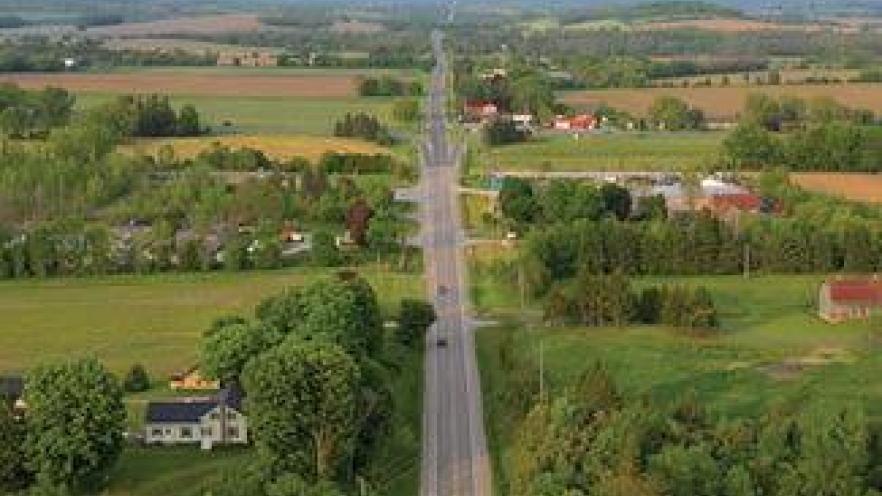
Roads and Infrastructure Projects
Key road and infrastructure projects such as the reconstruction of Victoria Street South, rural road resurfacing, and urban street connectivity

Parks and Recreations Spaces
Exciting upgrades to parks and recreational spaces, including Rapley Park, Optimist Park, and ongoing planning for Welcome Park and open spaces
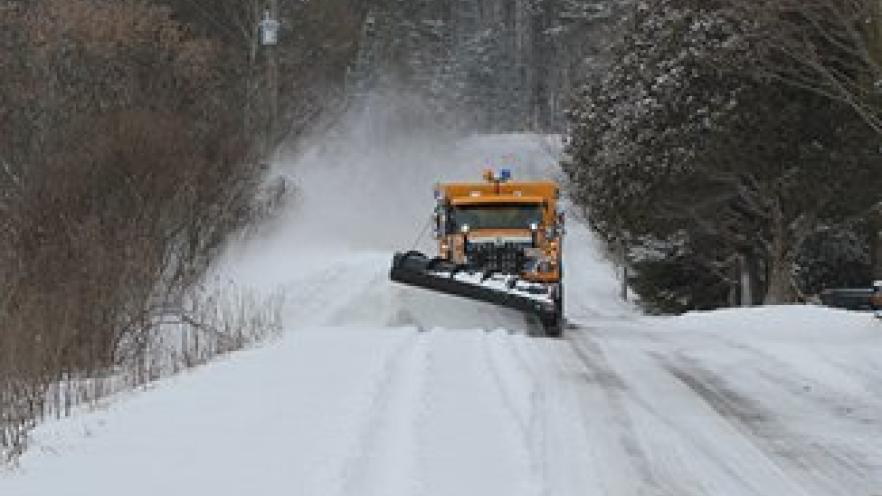
Fleet Replacements
Renewal of fleet assets to support fire protection, policing, transit accessibility, winter road maintenance, and parks operations

Future Readiness Planning
Growth-funded staffing investments to prepare for the proposed nuclear project, strengthening internal capacity and local decision-making without increasing levy pressures.
Spotlight on upcoming 2026 projects
Our annual operating and capital budgets are an estimate of expenses and revenues. These expenses and revenues are associated with the services provided to our community. This interactive map pinpoints the Capital projects in the 2026 budget. You can click on each project to learn more about its cost, details and your budget at work. Please note this tool works best on desktop devices.
Understanding the Budget Process
The Municipality considered various budget items at various meetings from September 2025, though January 2026. This culminated in the full-day Budget Meeting on January 13, 2026.
Since the introduction of Strong Mayor Powers in 2025, the budget process has changed. Under this legislation, the Mayor is responsible for preparing and presenting the budget to Council before February 1.
In October 2025, the Mayor confirmed that she would not use her authority to independently propose and adopt the 2026 budget. Instead, she instructed municipal staff to prepare the draft budget for Council's review, following the Municipality's traditional process of collaboration and discussion.
As always, the Budget meetings were open to the public, advertised on our website and through our social media channels.
You can watch the Budget meetings on our YouTube channel.
Every year, we engage the public on the budget development process and budget spending priorities for the year ahead. We communicate this on our social media channels, through the public notice section of our website, on posters, and at times through in-person community engagement sessions, and other communications channels, like our e-Newsletters.
Submitting Feedback
The draft documents are uploaded to our community engagement webpage at engage.porthope.ca. This page allows members of the public to review the draft documents submit feedback to staff and their Councillors, if desired. Additionally, members of the public can attend the Budget Meeting and engage Council in person.
We have compiled a list of questions about the 2026 budget. We may not have anticipated all of your questions, but we will continue to add to this list when additional frequently asked questions arise. For further questions contact the Finance Office.
| Question | Answer |
|---|---|
| What is the tax increase for 2026? | The 2026 budget funded by municipal taxes requires a rate increase of 2.7 per cent on the total tax bill. This increase will result in a typical homeowner paying an additional $139 annually, or $12 monthly, per $272,000 of assessed home value. Please note that this increase represents the estimated local municipal portion of your tax bill and is subject to change based on impact from Northumberland County and the education boards. |
| What projects are included in the 2026 Budget? |
|
| What is 'asset management' and why are we contributing to it? | Municipal infrastructure - like roads, bridges, water systems, and community facilities - provides the essential services we rely on every day. These services support the health, safety, and quality of life of our community, while also driving economic growth and protecting our environment. Asset management is the process of making sure this infrastructure continues to meet community needs in a reliable and cost-effective way. It involves regularly reviewing the condition of our assets, updating data, and planning ahead so we can manage repairs, replacements, and investments wisely. By taking a long-term approach, we ensure that today's decisions support both current and future generations. To do this, the Municipality has developed an Asset Management Plan (AMP). This AMP identifies the current practices and strategies that are in place to manage public infrastructure and makes recommendations where they can be further refined. Through the implementation of sound asset management strategies, the Municipality of Port Hope can ensure that public infrastructure is managed to support the sustainable delivery of municipal services. When you pay your property taxes, you're not just covering today's services--you're also investing in the future of our community. A funded Asset Management Plan ensures that our infrastructure (roads, bridges, water systems, and more) can be properly maintained and replaced when needed. Without adequate funding, we risk falling behind and facing larger, more costly problems down the road. Communities that underfund their infrastructure--like what we've seen happen elsewhere--face sudden, expensive repairs and service disruptions. Port Hope is working to avoid this situation by planning responsibly now. The 2026 budget includes $888,884 as a contribution to the infrastructure funding shortfall. The current term of Council has reduced the infrastructure funding shortfall by 13.8 per cent since 2022 and has nearly caught up to inflation increases since 2017. |
| Why are taxes increasing? | Like many household and everyday expenses, rising market prices affect different parts of the budget, such as materials, staff, fuel, and equipment. Inflation is especially difficult to manage in infrastructure projects, where costs tend to rise more sharply than for regular day-to-day items. |
| Where does my property's assessed value come from? | The tax rates are based on the assessment value of your home, not the re-sale value (if you were to list your home for sale). The assessment value is determined by the Municipal Property Assessment Corporation (MPAC) and is often lower than the re-sale value.
So, according to MPAC's assessment, the median (middle) value of a typical single detached residential home in Port Hope is $269,000. That is the number used to illustrate the typical tax increase. Some properties are assessed more than this amount, and some are assessed at less than this amount. You can find out what your property is assessed at on your tax bill. |
| I have questions about my property tax bill, who can I ask? | You can email staff in the Finance office about your Property tax bill or call 905-885-4544. |
Previous 2025 Approved Budget
- 2025 Operating and Capital Budget Presentation
- 2025 Operating and Capital Budget Media Release
- 2025 Operating Budget Summary
- 2025 Capital Budget Summary
- 2025 Budget By-law
For an accessible version of these documents, please contact the Finance Department.
- 2025 Operating Budget - CAO
- 2025 Operating Budget - Corporate Facilities
- 2025 Operating Budget - Corporate Services
- 2025 Operating Budget - Council
- 2025 Operating Budget - Finance & Human Resources
- 2025 Operating Budget - Library
- 2025 Operating Budget - Non-Departmental
- 2025 Operating Budget - Parks, Recreation, & Culture
- 2025 Operating Budget - Planning & Development
- 2025 Operating Budget - Police
- 2025 Operating Budget - Protective Services
- 2025 Operating Budget - Works & Engineering